
Jesus of Nazareth
Christianity · Middle East · c. 4 BCE – 30 CE
Often remembered for teaching love of neighbor, care for the vulnerable, and forgiveness.
LoveCompassionForgivenessMercy
View Teachings →
Each profile uses respectful, historically careful language. Filter by theme, region, or era.
Christianity · Middle East · c. 4 BCE – 30 CE
Often remembered for teaching love of neighbor, care for the vulnerable, and forgiveness.

Buddhism · South Asia · c. 5th–4th century BCE
Traditionally understood as teaching a path of compassion, mindfulness, and the easing of suffering.
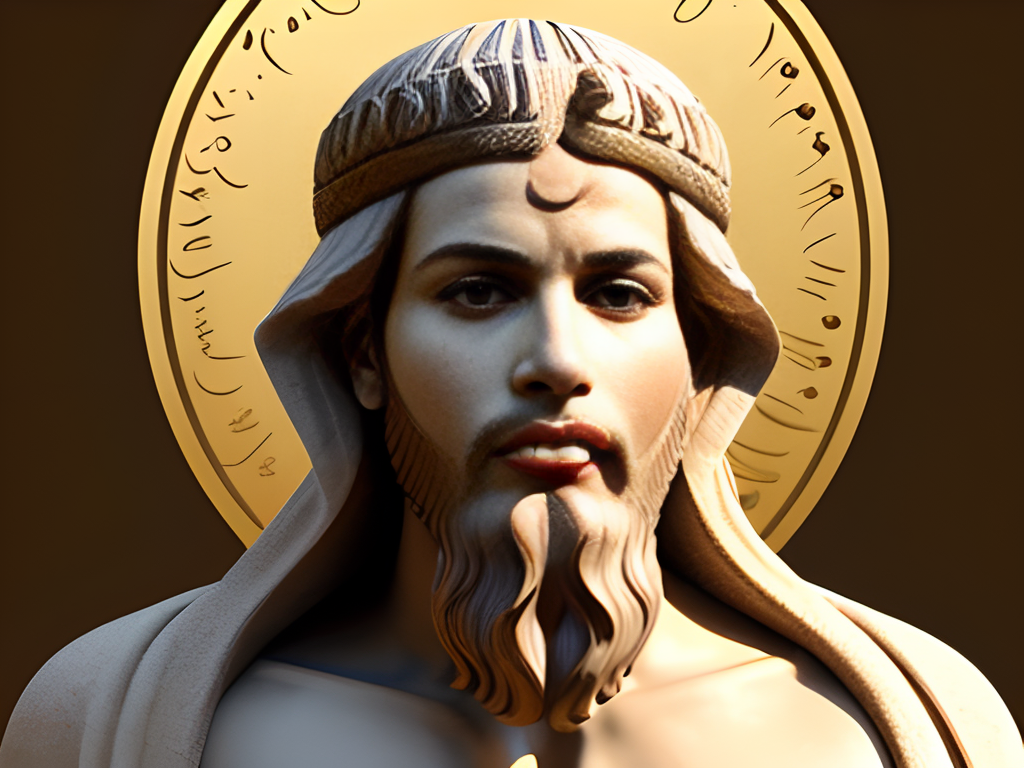
Islam · Middle East · c. 570 – 632 CE
Central themes include mercy, charity, care for the poor, and the oneness of humanity before God.

Judaism · Middle East · Traditionally c. 13th century BCE
Associated with leading a people out of slavery and delivering a moral code that shaped law and conscience.

Hinduism · South Asia · Traditional figure of ancient India
Traditionally understood as teaching selfless action, devotion, and inner steadiness.

Taoism · East Asia · Traditionally c. 6th century BCE
Associated with teachings on humility, simplicity, and harmony with the natural way of things.

Confucianism · East Asia · 551 – 479 BCE
Taught that society is restored through personal virtue, ritual propriety, and benevolence (ren) — urging rulers and individuals alike to govern themselves and others through moral example rather than force.
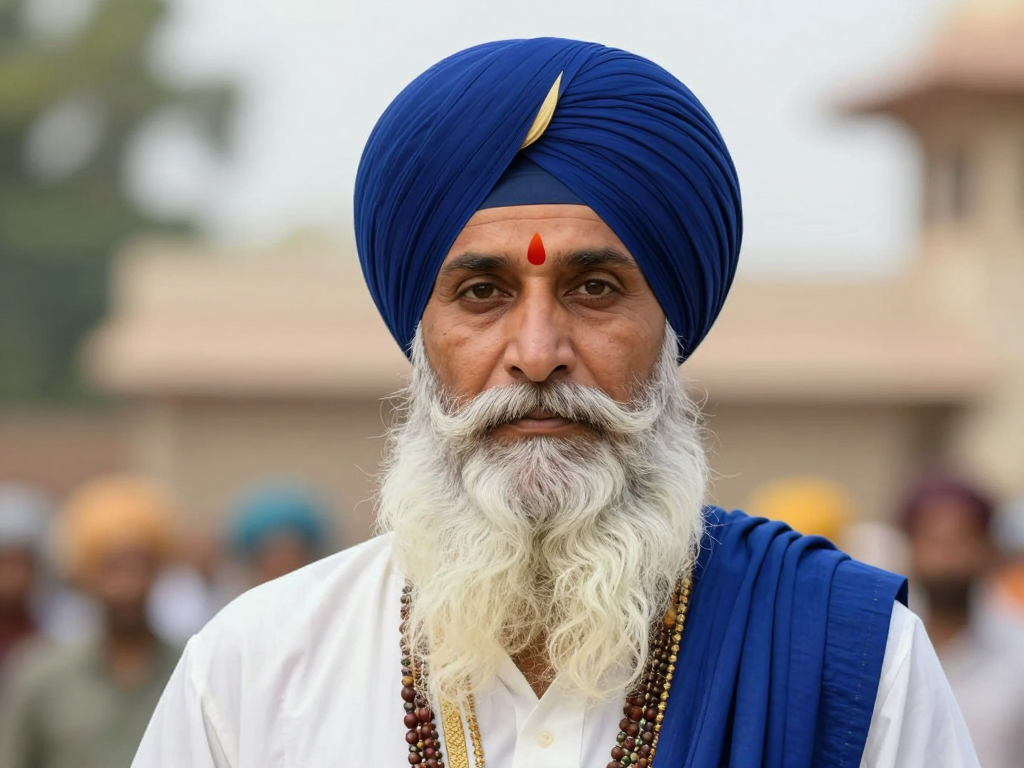
Sikhism · South Asia · 1469 – 1539 CE
Proclaimed that all human beings are equal before one formless God, and that the path to union with the Divine runs through loving remembrance, honest work, and selfless service — not through ritual, caste, or priestly authority.

Jainism · South Asia · c. 599 – 527 BCE
Associated with radical nonviolence and reverence for the life of every being.

Christianity · Europe · c. 1181 – 1226 CE
Often remembered for simplicity, care for the poor, peacemaking, and reverence for creation.
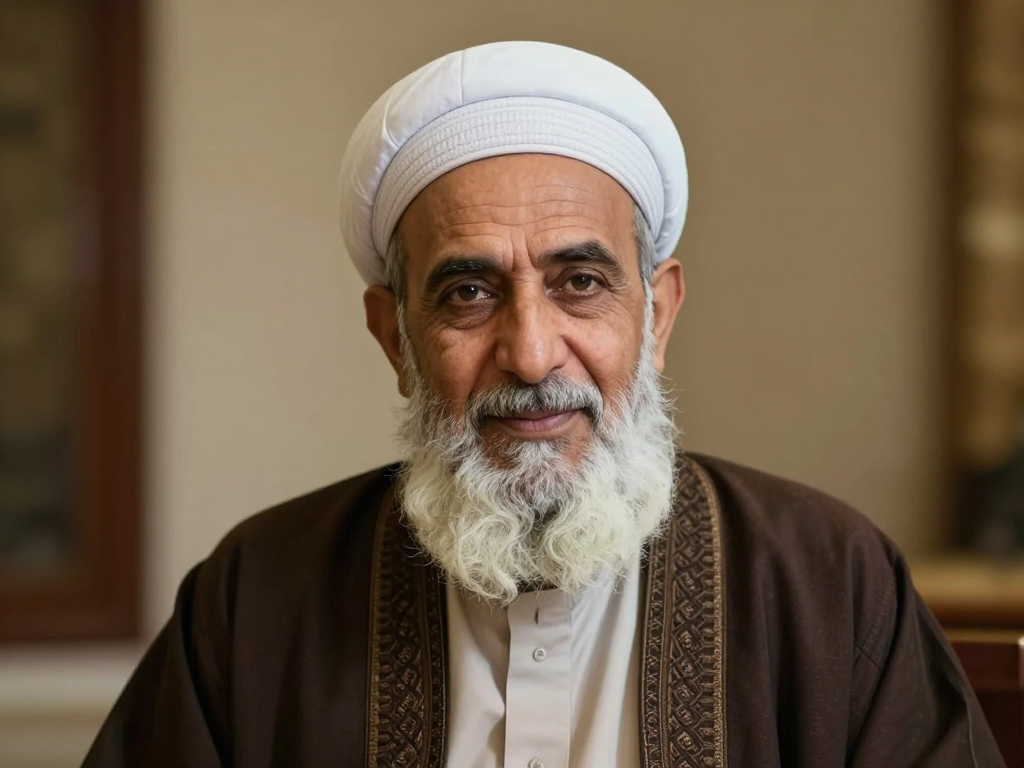
Sufism (Islamic mysticism) · Middle East · 1207 – 1273 CE
Persian mystic poet whose verses on longing, love, and the soul's return to the Divine have been read across cultures for eight centuries.
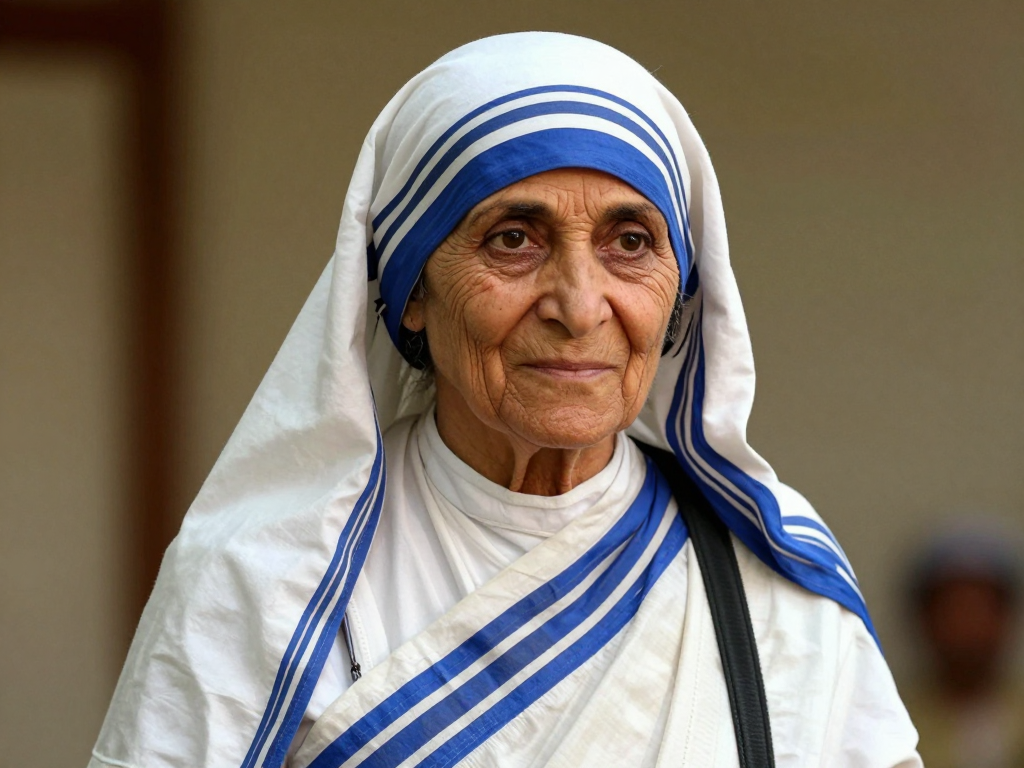
Christianity · Europe · 1910 – 1997 CE
Catholic missionary who devoted her life to the poorest of the poor in Calcutta, founding an order that now serves the destitute in 139 countries.
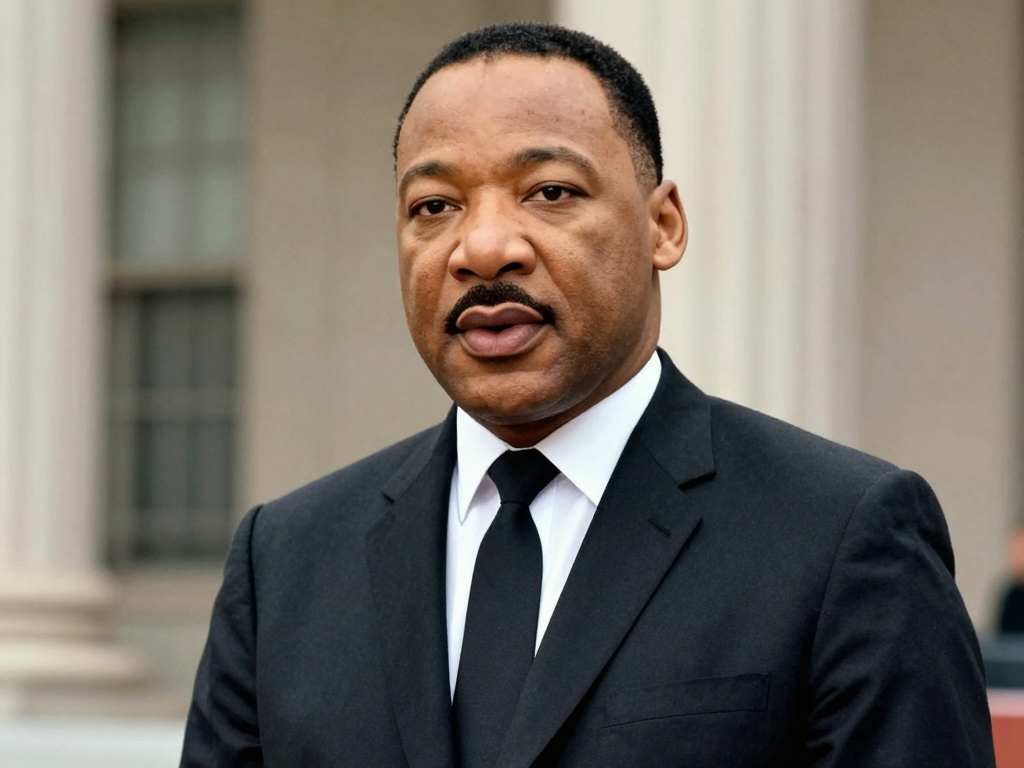
Christianity / civil rights · Americas · 1929 – 1968 CE
Baptist minister and Nobel laureate who led the American civil rights movement with a theology of nonviolent love.
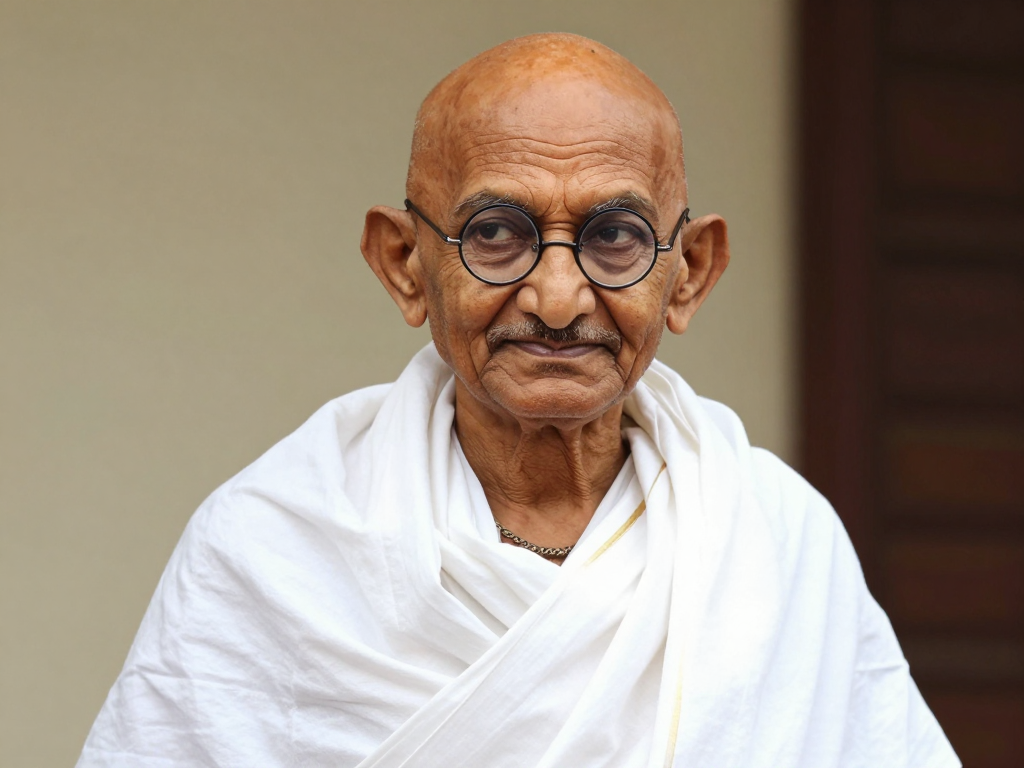
Hindu-inspired ethics · South Asia · 1869 – 1948 CE
Architect of Satyagraha — nonviolent resistance — whose campaigns ended British rule in India and reshaped twentieth-century political thought.